Table Of Content
- Platelet Rich Plasma (PRP) Therapy
- Platelet Rich Plasma (PRP) Therapy for Hair Loss
- Platelet-Rich Plasma (PRP) Injections for Hair Loss: What to Know Beforehand
- I want to get healthier
- Male vs. Female Pattern Baldness (Androgenetic Alopecia): What’s the Difference?
- If you have alopecia, can your hair grow back?
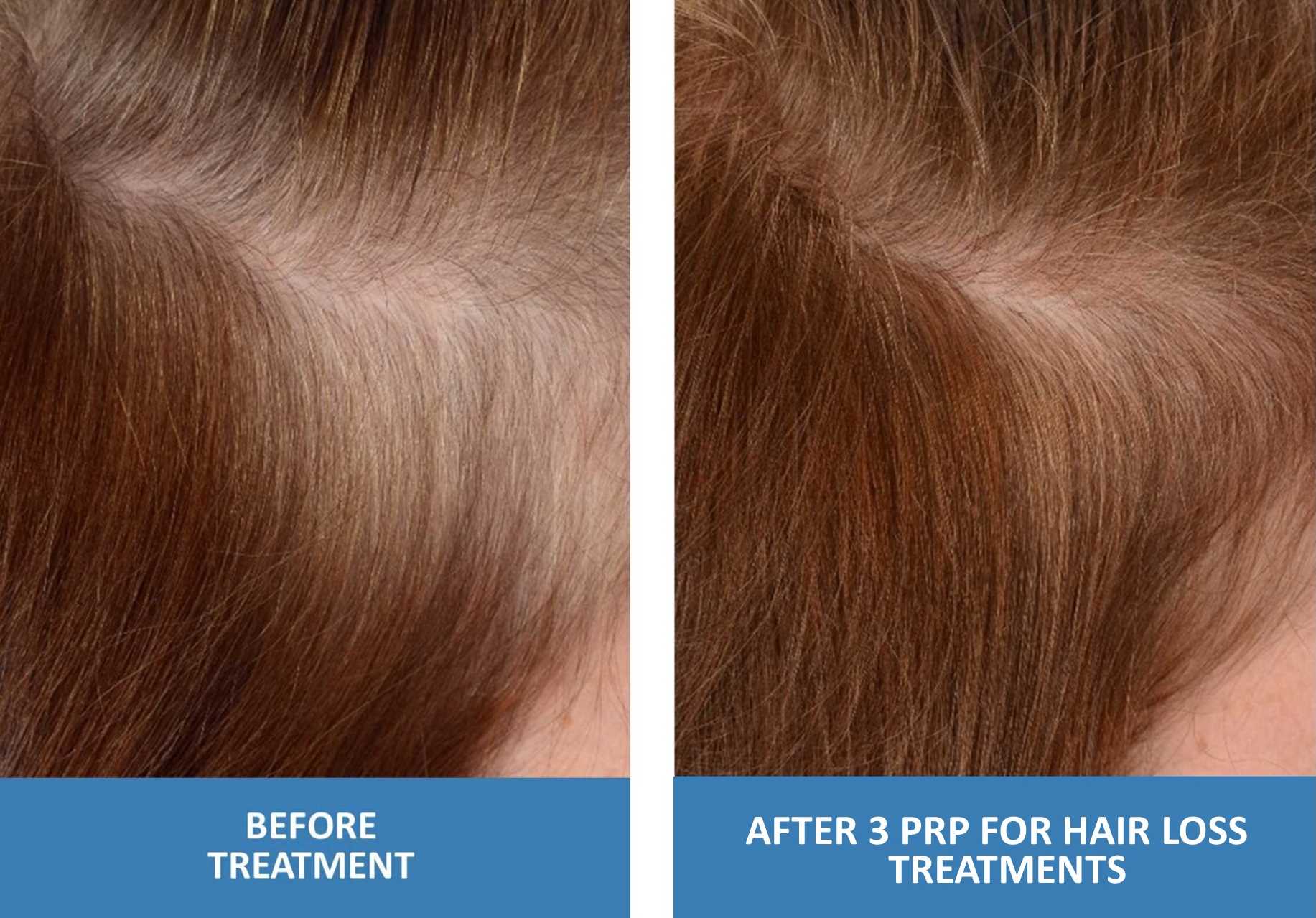
According to a 2021 study, higher platelet concentrations in PRP have a more pronounced effect on hair density, hair follicle diameter, and terminal hair density. Hormone imbalances during menopause are another common cause of hair loss. Many older women start to see thinning hair, balding, and a receding hairline shortly before menopause begins. This hair loss continues to progress throughout their menopausal period, resulting in bald spots or severe thinning. A PRP injections for hair loss procedure can cost anywhere from $400 to $3,500.
Platelet Rich Plasma (PRP) Therapy
Before a PRP procedure, we will discuss realistic expectations with you. Improvement in hair health and thickness is possible and has been documented in several peer-reviewed studies. We will also talk about lifestyle choices that can affect hair loss, such as quitting smoking and eating a diet fortified with vitamin D and iron – two nutrients that might support hair growth. For hair loss, treatment includes one PRP treatment per month for three months, followed by one treatment every three months for a year, and then one treatment yearly.
Exosome Therapy for Hair Loss Results - RealSelf.com
Exosome Therapy for Hair Loss Results.
Posted: Wed, 18 Oct 2023 07:00:00 GMT [source]
Platelet Rich Plasma (PRP) Therapy for Hair Loss
PRP therapy is a treatment for hair loss that may help promote and maintain hair growth. That said, PRP therapy is expensive and may not be safe for everyone. The results of PRP injections for hair loss will not be noticeable after the treatment, but develop over time with regular treatments. A PRP injections for hair loss treatment may last for months up to a year, and maintenance will be dependent on the individual candidate but is usually every eight months. These treatments that emit red- or near-infrared light are believed to stimulate hair follicles to help hair grow, with a lower risk of side effects compared to topical creams and oral medications.
Platelet-Rich Plasma (PRP) Injections for Hair Loss: What to Know Beforehand

A large body of research has shown that these over-the-counter creams and foams, applied to the scalp daily, are effective at stimulating hair growth, increasing hair density and halting hair loss over time. The entire procedure usually takes less than 30 minutes to complete, and little to no downtime is required. Most patients require multiple treatment sessions—typically once a month for three months. Additional treatments once every three to six months are usually needed to maintain results.
HydraFacial Keravive: My review of the hair growth treatment - Cosmopolitan UK
HydraFacial Keravive: My review of the hair growth treatment.
Posted: Tue, 05 Mar 2024 08:00:00 GMT [source]
During your appointment, tell them about all the medications you’re on, including supplements and herbs. Have you noticed more hair left behind in your brush or an increase in hair falling out when shampooing? Everyone sheds hair, but if you are losing an unusual amount of hair, you could be struggling with hair loss. These procedures are also performed by many of Advanced Dermatology’s providers.
Male vs. Female Pattern Baldness (Androgenetic Alopecia): What’s the Difference?
Some private insurance companies may cover PRP therapy for people with certain medical conditions, such as alopecia areata. Medicare and Medicaid only cover PRP therapy for healing chronic pressure or venous wounds in people with diabetes. PRP refers to platelet-rich plasma, which is a portion of your blood with a high content of healing platelets.
What Are the Different Types of Alopecia Areata?
Evidence from randomized controlled trials of PRP in AA is summarized in Table 4. Evidence from randomized controlled trials of PRP in FPHL is summarized in Table 3. Evidence from randomized controlled trials of PRP in AGA is summarized in Table 2. “[A good candidate is] someone who’s young, who's noticing some thinning and may also see some regression of the hairline.” Bingo. I’m already using over-the-counter topical hair loss products as well as taking supplements and prescribed hair loss medication which so far, has kept any major hair loss at bay.
What is the downside of PRP therapy?
For example, the studies in the review found benefits for hair growth with PRP treatment ranging from 4 injections every 15 days for 3 months to 3 monthly injections for 6 months. Pregnancy causes intense hormonal fluctuations that can affect the hair growth cycle and the health of your hair follicles. Some women see an increase in hair growth, while many others see an increase in hair loss.
If you have alopecia, can your hair grow back?
If you often wear a hairstyle like braids or a tight bun that puts prolonged strain or stress on the hair follicle, that can cause a type of permanent hair loss called traction alopecia. Here, dermatologists share what you need to know about alopecia, including possible causes, treatment options and what you can do to prevent more hair loss. It’s usually genetic, but it can also be triggered by diseases or disorders that attack the hair follicles. Additionally, follow-up appointments allow patients to discuss any concerns or questions about their treatment progress or hair loss management plan.
The actual cost of a PRP injections for hair loss is dependent upon location, hair loss specialist, and length and involvement of the cosmetic procedure. The patient's blood is collected, centrifuged, and then the Platelet-Rich Plasma (PRP) is injected into the areas new hair growth is desired. If you have healthy hair on the back or side of your head, a doctor can surgically remove hair strands from those areas and graft them into your scalp in a bare area. It’s another expensive treatment that isn’t generally covered by insurance, but it tends to be a long-lasting solution.
Platelet-rich plasma injections (PRP) are a potent regenerative serum used in the non-surgical treatment of hair loss. PRP concentrate serum contains growth factors that aid in the healing of damaged hair follicles, and create thicker, denser hair growth. This non-surgical hair restoration can serve as an effective treatment for androgenetic alopecia (female pattern and male pattern baldness), thinning hair, and bald spots.


No comments:
Post a Comment